
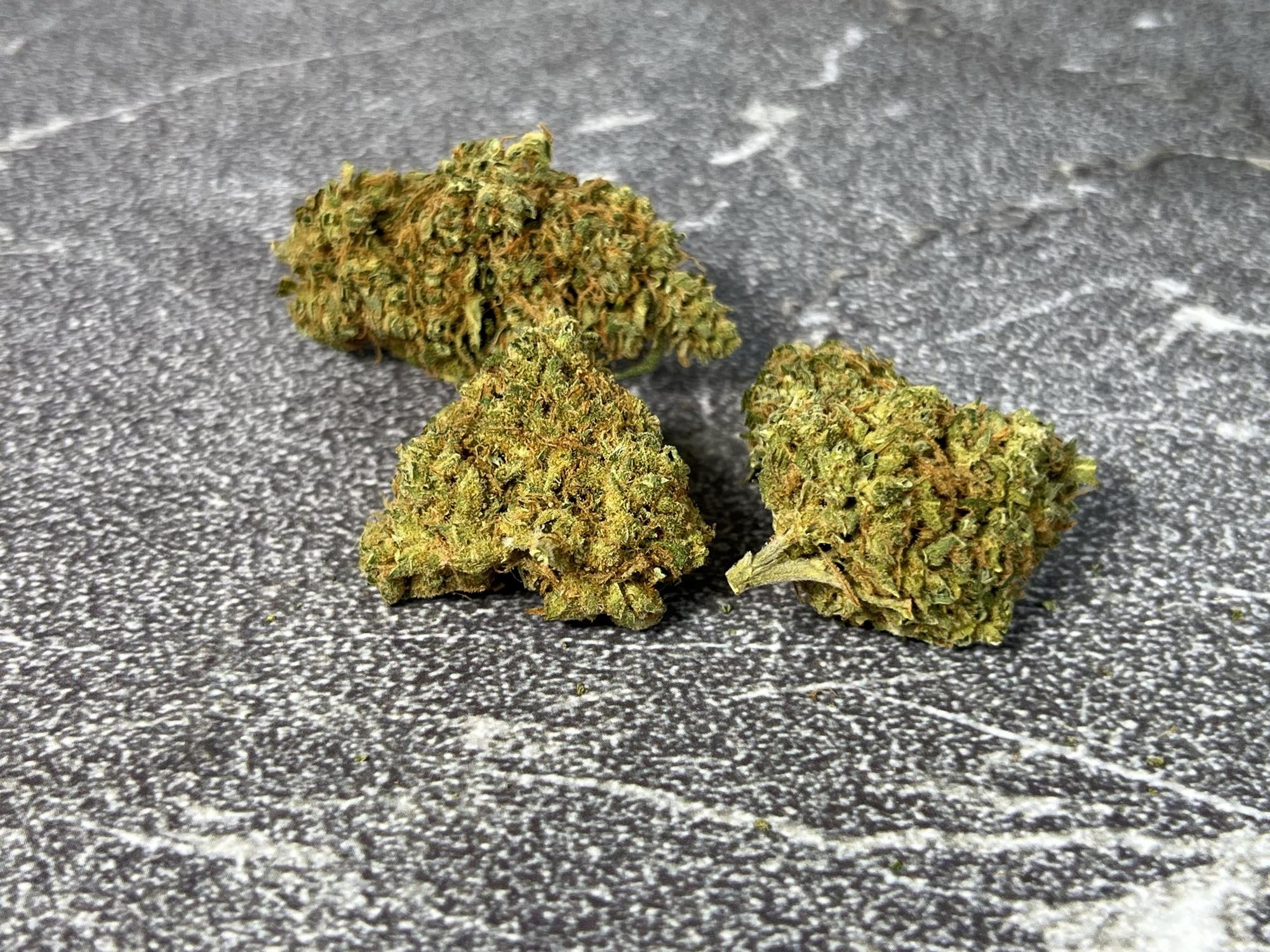
Why Terpenes Matter in Modern Cannabis Selection
For many years, cannabis consumers and medical patients chose strains primarily based on THC potency or traditional indica vs. sativa labels. However, growing research and consumer experience have shifted attention toward cannabis terpene profiles, the aromatic compounds that help shape a strain’s overall effects. Studies suggest that terpenes may interact with cannabinoids through the entourage effect, meaning multiple cannabis compounds work together to influence the plant’s therapeutic potential and user experience (Russo, 2011; Healthline, 2022; University of Arizona Health Sciences, 2021).
What Are Terpenes? Understanding the Basics
Terpenes are natural aromatic compounds produced by many plants, including herbs, fruits, flowers, and trees. They are responsible for the distinctive smells and flavors associated with plants such as citrus, lavender, pine, and rosemary. In cannabis, terpenes contribute to the unique aroma and flavor profiles of different strains. Some strains may smell citrusy or fruity, while others produce earthy, pine-like, or spicy aromas.
These compounds are produced in the plant’s trichomes, the tiny resin glands that also generate cannabinoids such as THC and CBD. Because trichomes contain both cannabinoids and terpenes, they play an important role in shaping the plant’s overall chemical profile and potential effects (Russo, 2011; University of Arizona Health Sciences, 2021).
Terpene levels can vary widely between cannabis strains and products. As a result, two strains with similar THC levels may produce noticeably different experiences. Factors such as plant genetics, growing conditions, harvesting methods, and curing techniques can all influence terpene content. As cannabis testing becomes more common, many dispensaries now provide terpene profiles on lab reports and product labels, helping patients better understand the compounds present in the cannabis they are using (Healthline, 2022; CannaCon, 2023).
Read More: What Are Cannabis Trichomes?
The Entourage Effect: How Terpenes Work with Cannabinoids
The entourage effect is a concept in cannabis science that describes how the plant’s many compounds may work together to influence its overall effects. Cannabis contains dozens of active compounds, including cannabinoids such as THC and CBD as well as aromatic compounds known as terpenes.
Rather than acting independently, research suggests these compounds may interact within the body’s endocannabinoid system, potentially enhancing or modifying each other’s effects (Russo, 2011; National Institutes of Health, 2020). Because of this interaction, the therapeutic potential and overall experience of cannabis may be shaped by the plant’s full chemical profile rather than by a single compound alone (Healthline, 2022).
The Most Common Cannabis Terpenes and Their Potential Effects
More than 100 terpenes have been identified in cannabis, but only a small group commonly appears in cannabis terpene profiles listed on lab reports and strain descriptions. These compounds contribute to the distinct aroma, flavor, and overall character of different cannabis strains, which is why many patients consider terpene content when selecting products.
Some of the most common terpenes found in cannabis include the following.
Myrcene
One of the most common terpenes in cannabis, myrcene has an earthy, musky aroma and is often associated with relaxing or sedating effects.
- Aroma: earthy, musky
- Potential effects: relaxation, sleep support
Limonene
Limonene produces a bright citrus scent and is commonly linked with uplifting or mood-supporting effects.
- Aroma: citrus
- Potential effects: mood elevation, stress relief
Pinene
Pinene has a pine-like aroma and is often associated with alertness and mental clarity.
- Aroma: pine
- Potential effects: focus, alertness
Linalool
Linalool is known for its floral lavender aroma and is often connected with calming effects.
- Aroma: floral, lavender
- Potential effects: relaxation
Caryophyllene
Caryophyllene has a spicy, peppery scent and may interact with CB2 receptors in the endocannabinoid system. Researchers are studying its potential role in inflammation response.
- Aroma: spicy, peppery
- Potential effects: potential anti-inflammatory support, stress relief
How Patients Can Use Terpene Profiles to Choose Cannabis Strains
Patients often use terpene profiles in cannabis strains as a guide when selecting products that match their specific needs or desired effects. Many dispensaries now provide terpene information on lab reports and product labels, allowing patients to see which terpenes are most dominant in a particular strain.
By reviewing this information, patients can look for terpene combinations that may align with their goals, such as relaxation, sleep support, mood improvement, or daytime focus. For example, some patients choose strains higher in myrcene or linalool for relaxation, while others may prefer limonene or pinene for more uplifting or alert effects.
Because individual responses to cannabis can vary, many patients also track their experiences with different cannabis terpene profiles over time to better understand which strains work best for their personal wellness needs (Russo, 2011; Healthline, 2022).
What the Research and Consumer Experience Say
Research into cannabis terpenes and terpene profiles has begun to explore how these compounds may influence the effects of cannabis when combined with cannabinoids such as THC and CBD. Some studies suggest certain terpenes may contribute to effects related to mood support, relaxation, and inflammation response, particularly through interactions within the body’s endocannabinoid system and the entourage effect (Russo, 2011; National Institutes of Health, 2020).
At the same time, consumer reports and patient feedback frequently describe noticeable differences between cannabis strains with distinct terpene profiles, even when THC levels are similar. Many medical cannabis patients report selecting strains based on terpene content because it helps them find more consistent experiences. However, researchers emphasize that more controlled clinical studies are still needed to fully understand how specific terpene profiles influence therapeutic outcomes (Healthline, 2022).
Final Thoughts: Using Terpenes as a Personalized Cannabis Guide
As research and cannabis testing continue to improve, terpene profiles in cannabis strains are becoming a helpful tool for patients looking to personalize their cannabis choices. Rather than relying only on THC levels, many patients use terpene information to guide them toward products that may better support goals such as relaxation, focus, sleep, or stress relief.
By paying attention to terpene content and noting how different strains affect them, patients can gradually identify cannabis terpene profiles that work best for their individual needs. As cannabis science evolves, terpene education and lab testing are likely to play an increasingly important role in helping patients make more informed and confident decisions (Russo, 2011; Healthline, 2022).
References
- Russo, E. (2011). Taming THC: Potential Cannabis Synergy and Phytocannabinoid-Terpenoid Entourage Effects. British Journal of Pharmacology. https://pmc.ncbi.nlm.nih.gov/articles/PMC3165946
- Cannabis Terpenes: What They Are and How They Work. Healthline. https://www.healthline.com/health/cannabis-terpenes
- What Are Cannabis Terpenes? University of Arizona Health Sciences. https://healthsciences.arizona.edu/news/blog/terpenes-cannabis-explained
- Cannabis Terpenes Explained. CannaCon. https://cannacon.org/cannabis-terpenes-explained
- The Entourage Effect: Terpenes Coupled with Cannabinoids for the Treatment of Mood Disorders and Anxiety Disorders. National Institutes of Health (NIH). https://www.ncbi.nlm.nih.gov/pmc/articles/PMC7324885