
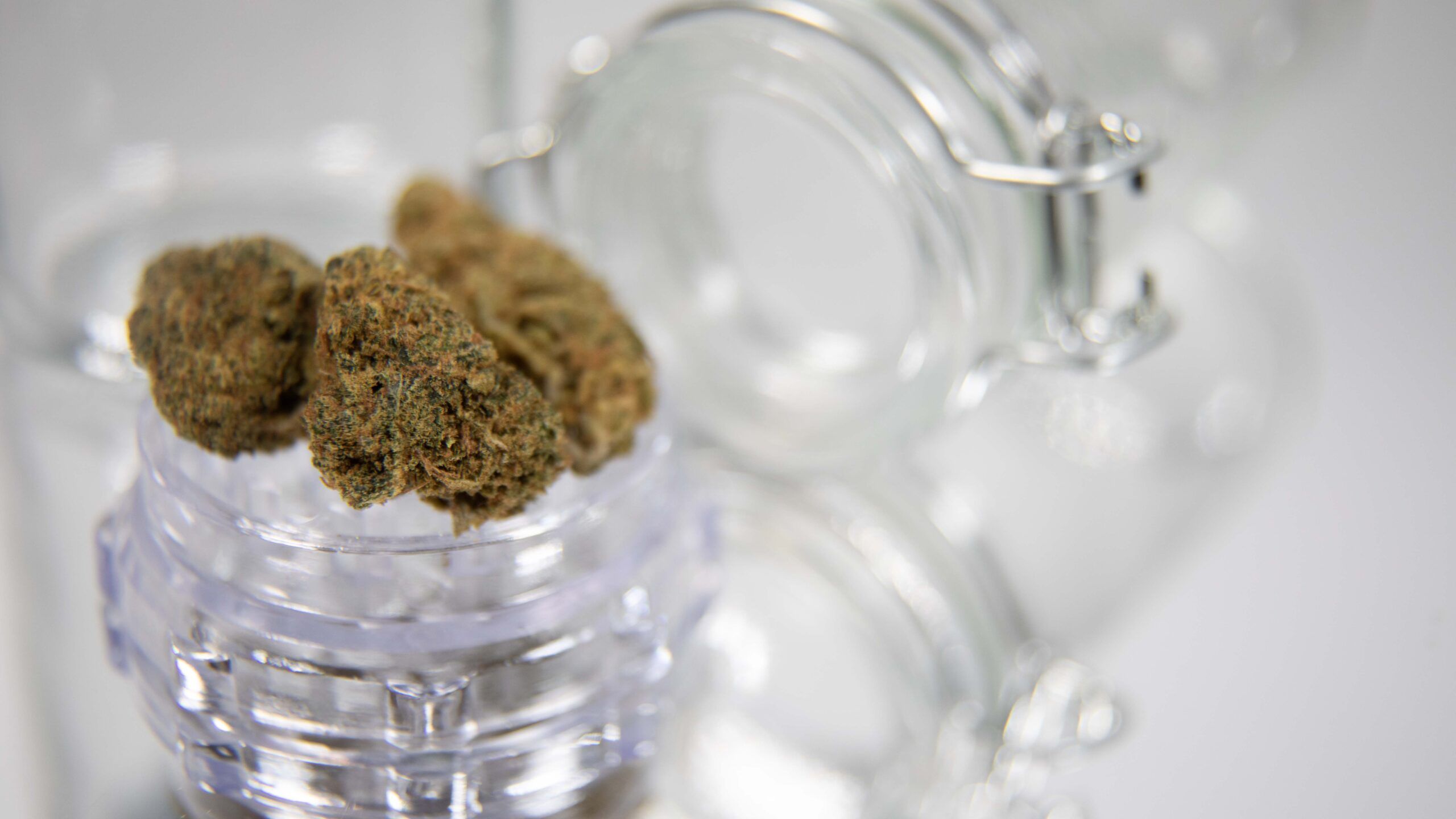
Prostate cancer remains one of the most common cancers affecting men worldwide, with significant impacts on long-term health and quality of life. According to the American Cancer Society, it is the second leading cause of cancer-related death among men in the United States, underscoring the need for effective treatment and supportive care strategies. In recent years, interest has grown around medical marijuana for prostate cancer and CBD for prostate cancer as complementary options for managing symptoms associated with the disease and its treatment. While cannabis-derived compounds may offer therapeutic benefits, it is important to distinguish between evidence-based symptom relief and unproven claims of a cure.
Understanding Prostate Cancer
Prostate cancer develops in the prostate gland, a small organ located below the bladder that plays a key role in male reproductive health. It often begins as a slow-growing tumor, although some forms can be aggressive and spread beyond the prostate if not treated early. Common symptoms include difficulty urinating, reduced urine flow, pelvic discomfort, and, in advanced stages, bone pain. According to the National Cancer Institute, many cases are detected through routine screening before symptoms appear, which improves treatment outcomes.
Treatment options vary depending on the stage and may include surgery, radiation therapy, hormone therapy, and chemotherapy. While these approaches can be effective, they often cause side effects such as fatigue, nausea, pain, sexual dysfunction, and urinary issues. These challenges have contributed to growing interest in supportive therapies like medical marijuana for prostate cancer and CBD for prostate cancer to help improve quality of life.
What Are Medical Marijuana and CBD?
Medical marijuana refers to the use of the cannabis plant and its active compounds, known as cannabinoids, for therapeutic purposes. The two most studied cannabinoids are tetrahydrocannabinol, or THC, the psychoactive compound responsible for the high, and cannabidiol, or CBD, a non-intoxicating compound associated with potential therapeutic effects. Both interact with the Endocannabinoid System, which helps regulate functions such as pain, mood, appetite, and immune response.
This interaction is one reason why medical marijuana for prostate cancer and CBD for prostate cancer are being explored as supportive care options. Cannabis products are available in forms such as oils, tinctures, capsules, edibles, and topicals, allowing patients to choose what best fits their needs. According to the National Cancer Institute, cannabinoids have shown potential in managing cancer-related symptoms, although effects vary based on dosage, formulation, and individual response.
Learn More: What Are Cannabinoids and Why Are They Important?
Potential Benefits of Cannabis for Prostate Cancer Patients
Symptom management is an important part of prostate cancer care, and this is where medical marijuana for prostate cancer and CBD for prostate cancer are most often considered. While cannabis is not a cure, research suggests it may help reduce several cancer-related symptoms and treatment side effects. The National Cancer Institute notes that cannabinoids may help manage pain, chemotherapy-induced nausea and vomiting, and appetite loss.
Cannabis may also support pain relief through its interaction with the body’s endocannabinoid system. THC-containing products are commonly used to reduce nausea, while CBD is often associated with reduced anxiety and improved sleep. Additional reported benefits include appetite stimulation and overall improvement in comfort during treatment.
Key potential benefits include:
- Pain and inflammation relief
- Reduced nausea and vomiting
- Improved appetite
- Better sleep quality
- Reduced anxiety and stress
The American Cancer Society recommends consulting a healthcare provider before using cannabis to ensure safe and appropriate use alongside standard treatments.
What Does the Research Say About Cancer-Fighting Properties?
Interest in medical marijuana for prostate cancer and CBD for prostate cancer also includes whether cannabinoids may have direct anti-cancer effects. Preclinical research, including laboratory and animal studies, suggests cannabinoids may influence cancer cell behavior, including slowing tumor growth and promoting apoptosis. Findings referenced by the National Cancer Institute indicate potential effects on tumor-related pathways, but these results have not been confirmed in large-scale human trials.
There is currently no conclusive clinical evidence that cannabis or CBD can cure prostate cancer. The American Cancer Society advises against using cannabis as a replacement for standard treatments and supports its role primarily in symptom management.
Risks, Side Effects, and Considerations
While medical marijuana for prostate cancer and CBD for prostate cancer may provide relief, they are not without risks. THC-containing products can cause drowsiness, dizziness, impaired coordination, and short-term cognitive effects. CBD is generally well tolerated but may still cause fatigue, digestive issues, and potential drug interactions.
According to the National Cancer Institute, cannabinoids may interact with certain medications, including chemotherapy drugs, making medical supervision important. The U.S. Food and Drug Administration has also raised concerns about inconsistent product quality and labeling in over-the-counter CBD products. Patients should also be aware of varying legal regulations depending on their location.
Learn More: Cannabis & the Reproductive System
Final Thoughts: Should Prostate Cancer Patients Consider Cannabis?
Medical marijuana for prostate cancer and CBD for prostate cancer may help manage symptoms such as pain, nausea, anxiety, and sleep disturbances, but they should not replace evidence-based treatments. Guidance from the National Cancer Institute and the American Cancer Society highlights their role in improving quality of life when used responsibly.
Patients considering cannabis should consult their healthcare providers to ensure safe, informed use alongside standard prostate cancer treatments.
References
- American Cancer Society – https://www.cancer.org/cancer/types/prostate-cancer.html
- National Cancer Institute – https://www.cancer.gov/types/prostate
- National Cancer Institute – https://www.cancer.gov/about-cancer/treatment/cam/hp/cannabis-pdq
- World Health Organization – https://www.who.int/news-room/fact-sheets/detail/cannabis
- American Cancer Society – https://www.cancer.org/treatment/treatments-and-side-effects/complementary-and-integrative-medicine/marijuana-and-cancer.html
- U.S. Food and Drug Administration – https://www.fda.gov/consumers/consumer-updates/what-you-need-know-and-what-we-dont-know-about-products-containing-cannabis-or-cannabis-derived-compounds